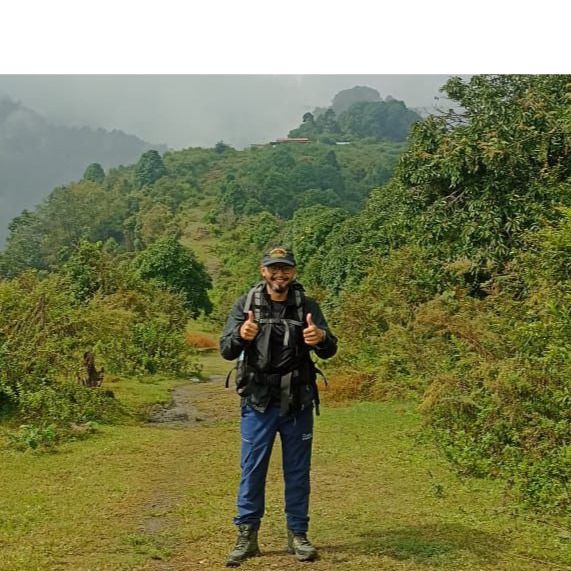
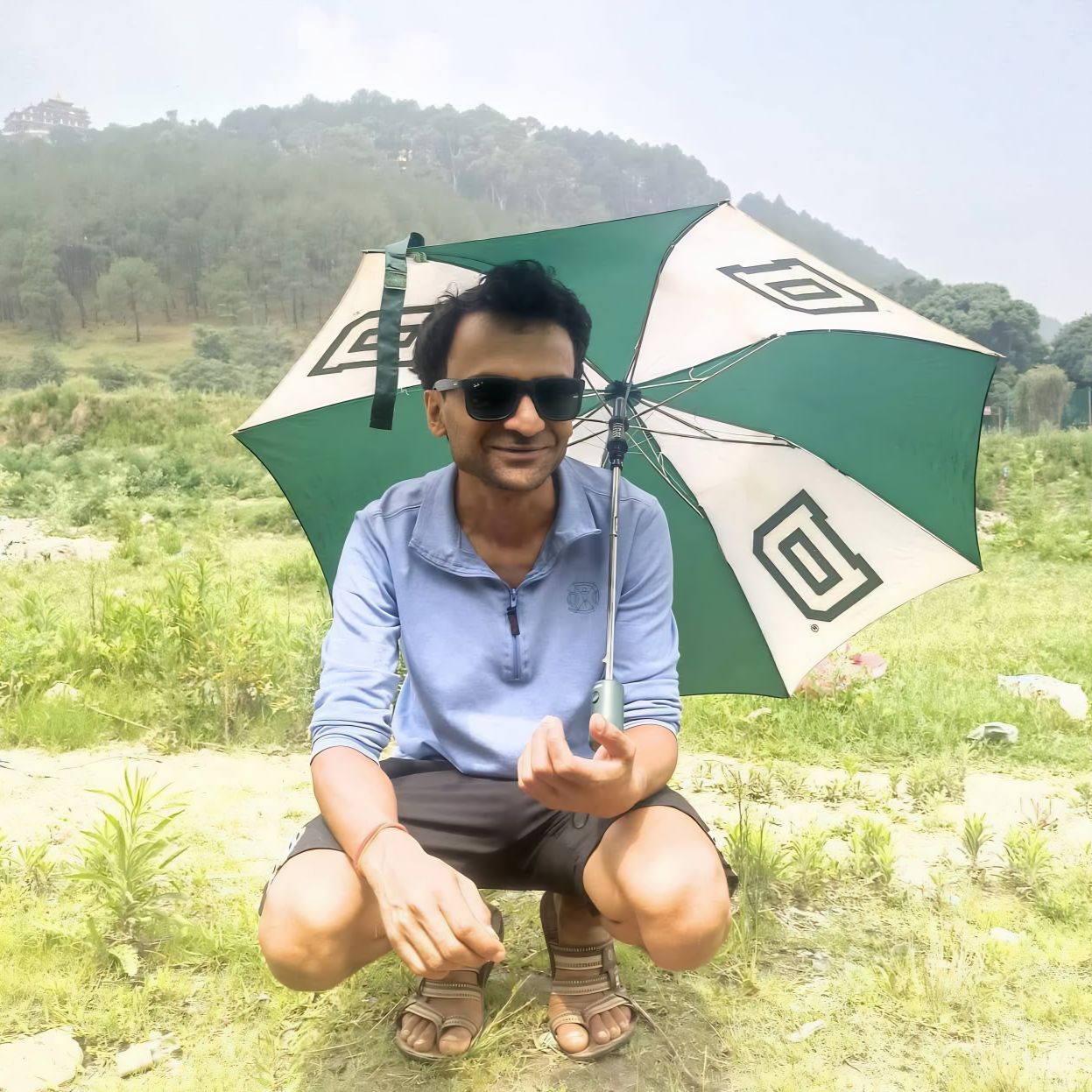
Hi, I am Sonika.
I was at work in Kathmandu. I suddenly got my period and needed a sanitary pad. I looked around the restroom but could not find one. I reached out to my colleagues, who didn't have one either. With no choice left, I asked the HR officer. She handed me one — with a condition:
"Replace it tomorrow, or pay 20 rupees."
I was stunned. Something as basic as a pad was not freely available to women at work.
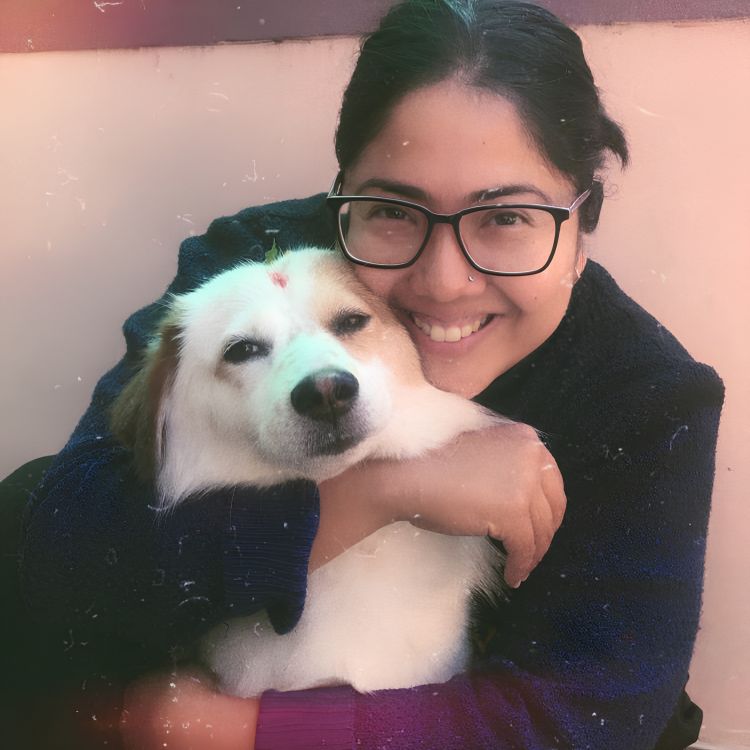
After that day, I started asking friends, family, and colleagues about their experiences of menstruating at school, college, offices, or any place where there is no reliable access to menstrual products. The stories poured in — the same problem, the same anxiety, and the same quiet indignity, repeated across offices, schools, cafes, and public spaces all over Nepal.
In reality, this problem runs deeper than the unavailability of menstrual products in restrooms.
Menstruation carries a long history of taboo and stigma in Nepal. Girls and women are often considered 'impure' during their periods and are kept away from the kitchen, from cooking, from rituals. In remote parts of Nepal, some girls and women are still sent to sleep in huts or sheds — a practice known as Chaupadi. These stigmas harm girls' and women's health, education, and opportunities.
Conversations about menstruation are also largely absent — in schools, in families, and in public life. Many girls grow up without understanding what is happening to their own bodies, or how to take care of themselves safely and with dignity.
I grew up around these stigmas and taboos as well, but in 2022, I made a decision to bring about change — with the support of my two good friends, Asmod and Pawan. The fact that they both saw this as their problem too, not just mine, meant everything to me. And it is what makes Sahaj Kit unique, as we are all part of this change.
Together, we participated in the Kathmandu Metropolitan City Business Hub: Urban Innovation Program in partnership with UNDP Nepal — a four-month ideation program to create urban solutions in Kathmandu — and won a seed fund from KMC. For this program, we focused only on addressing the accessibility of menstrual products in small office restrooms. After many iterations, and considering offices' willingness to install our product, we came up with the idea of a wall organizer — Sahaj Kit — where each pocket held different types of sanitary pads, liners, and disposal bags.
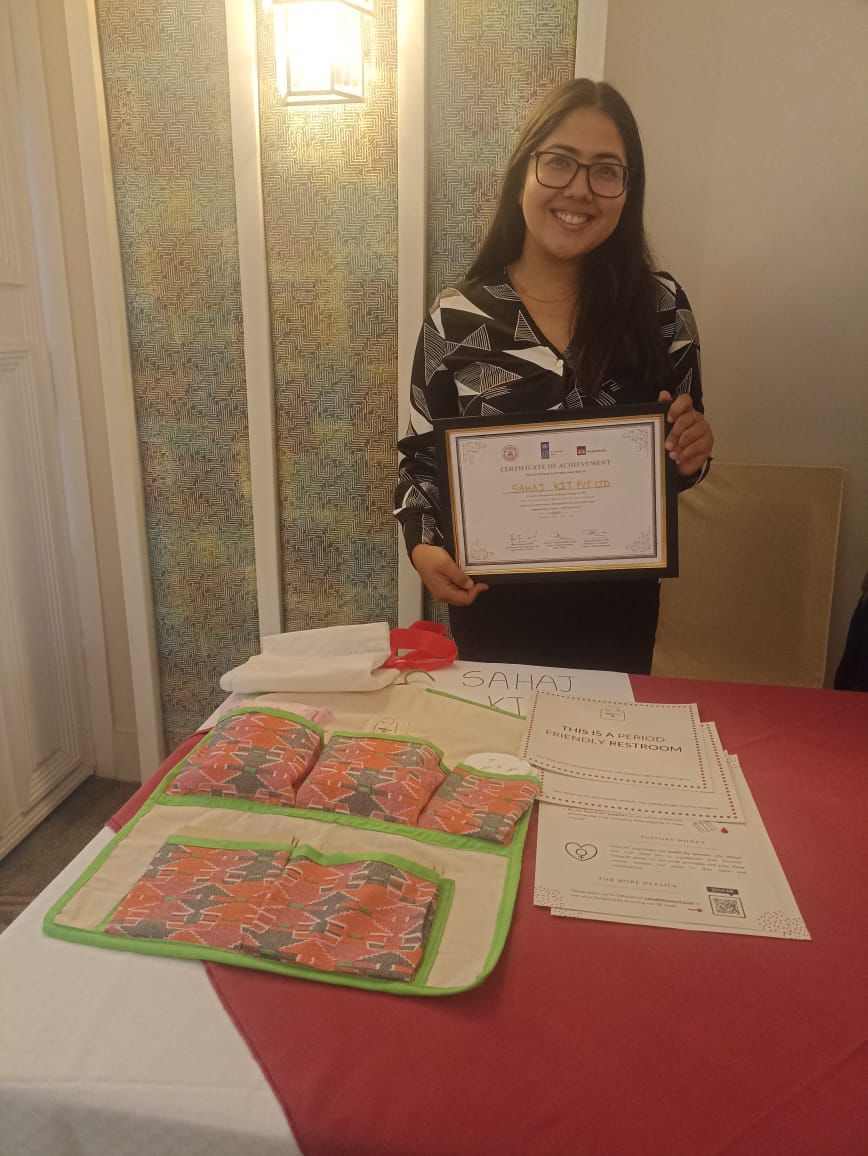
Receiving the seed fund from the KMC Urban Innovation Program in partnership with UNDP Nepal, 2022
We deployed this product in 5 office spaces in and around Kathmandu and received positive feedback.
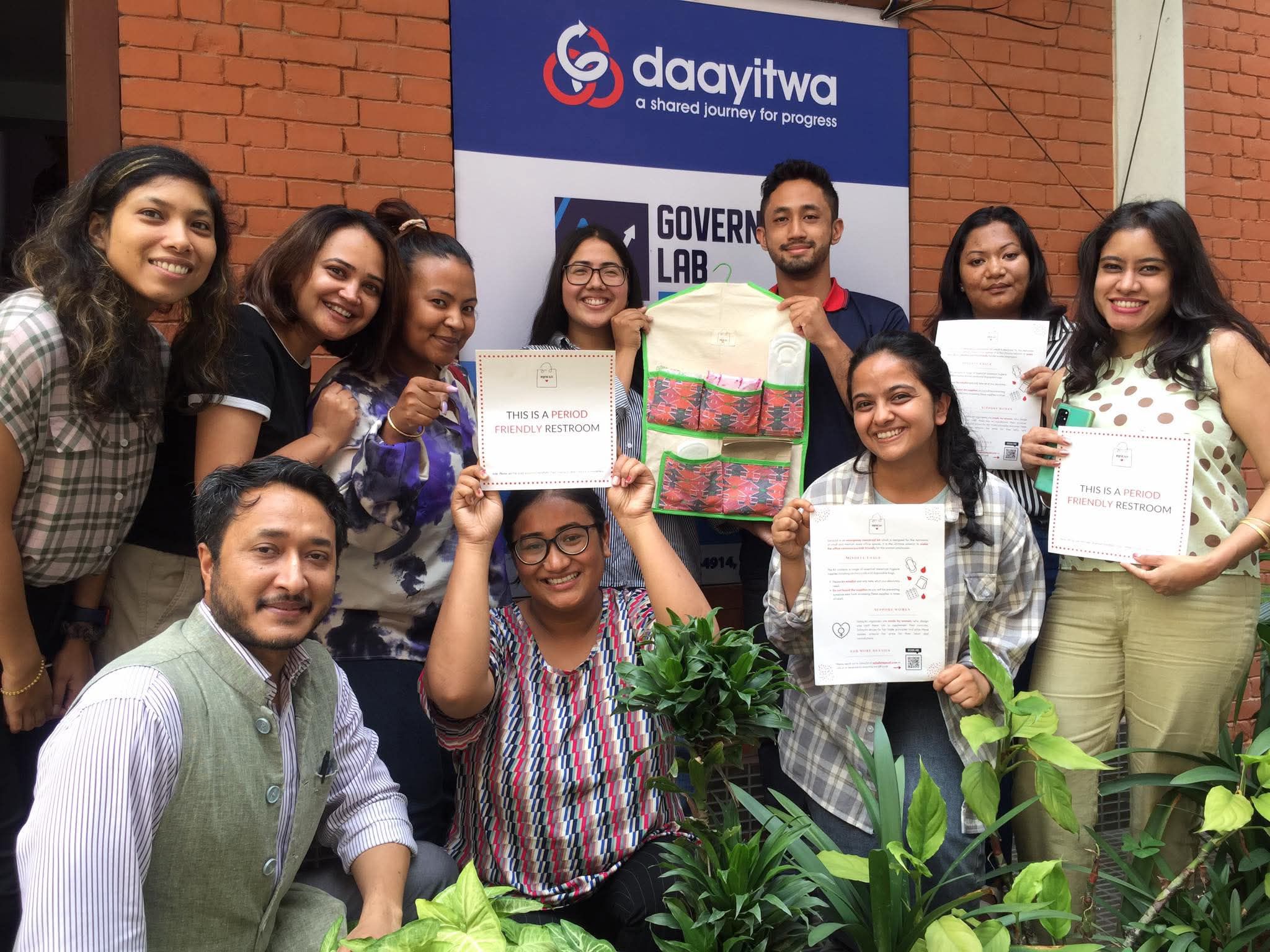
Installing Sahaj Kit at Daayitwa, Kathmandu — one of our first pilot deployments
After a few years of pause, this year we are scaling and expanding Sahaj Kit to schools, colleges, hospitals, airports, cafes, government buildings, public spaces, and all other spaces where girls and women are present, across Nepal. We are adding digital sanitary dispensers and keeping climate at the centre of our organisation by using only eco-friendly product lines. Additionally, Sahaj Kit will also be providing menstrual education programs in schools and hosting menopause support services for women.
We are becoming Nepal's first end-to-end menstrual health organisation.